
Last updated October 15, 2026
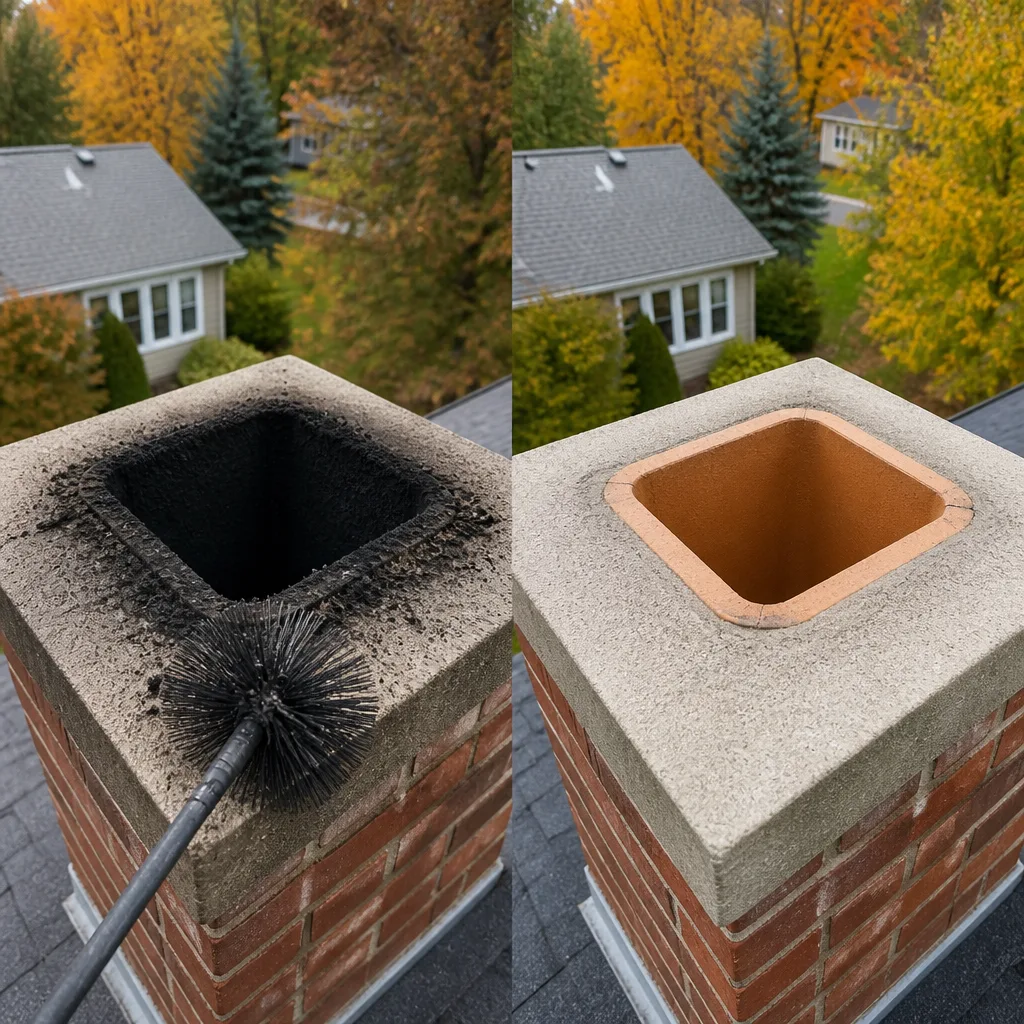 Sweep & inspection
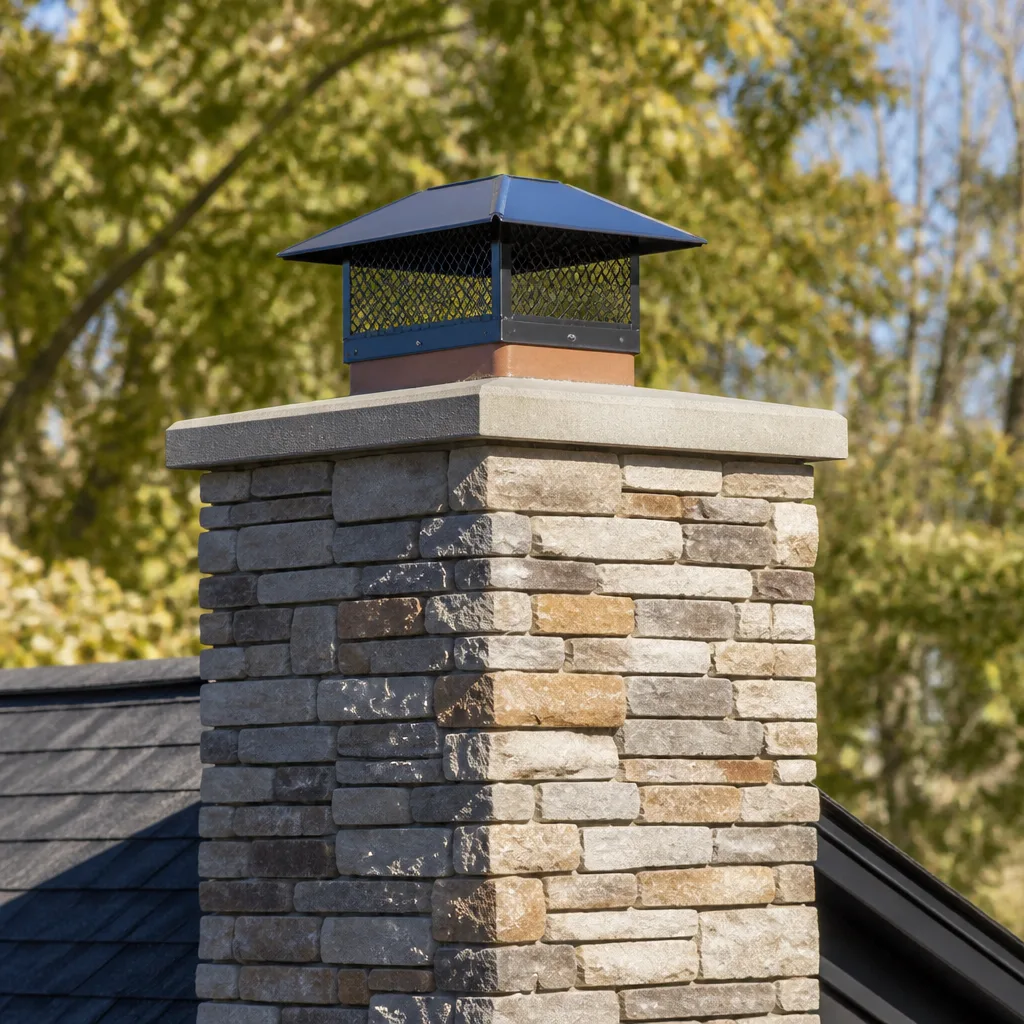 Caps & crowns
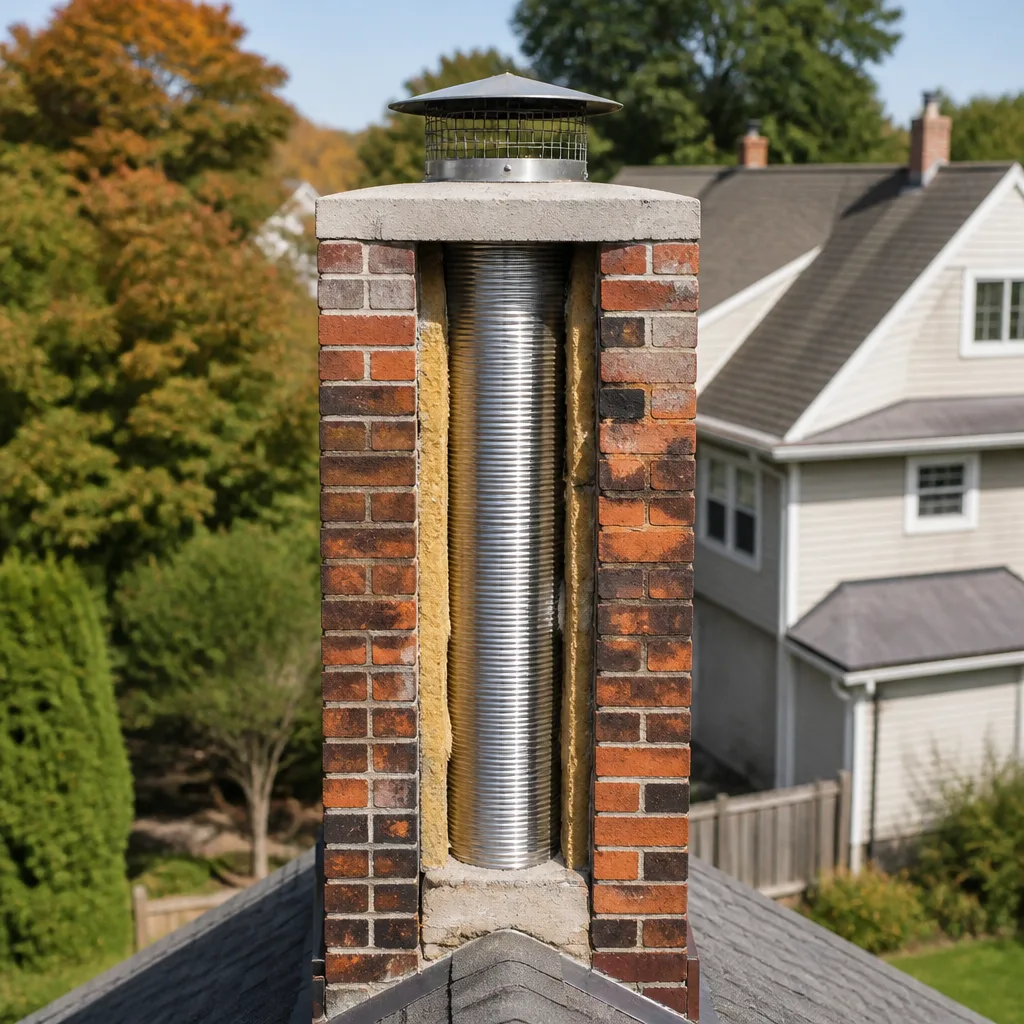 Flue relining
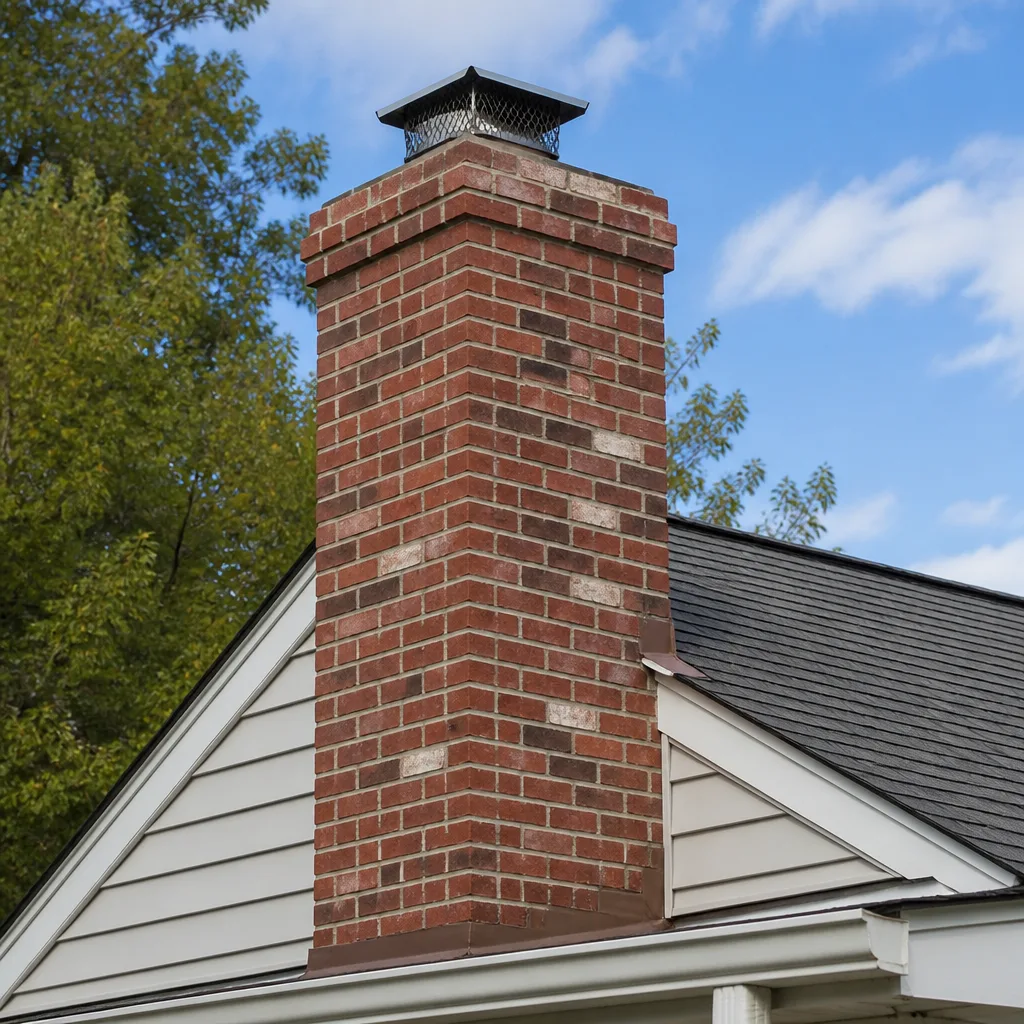 Masonry repair
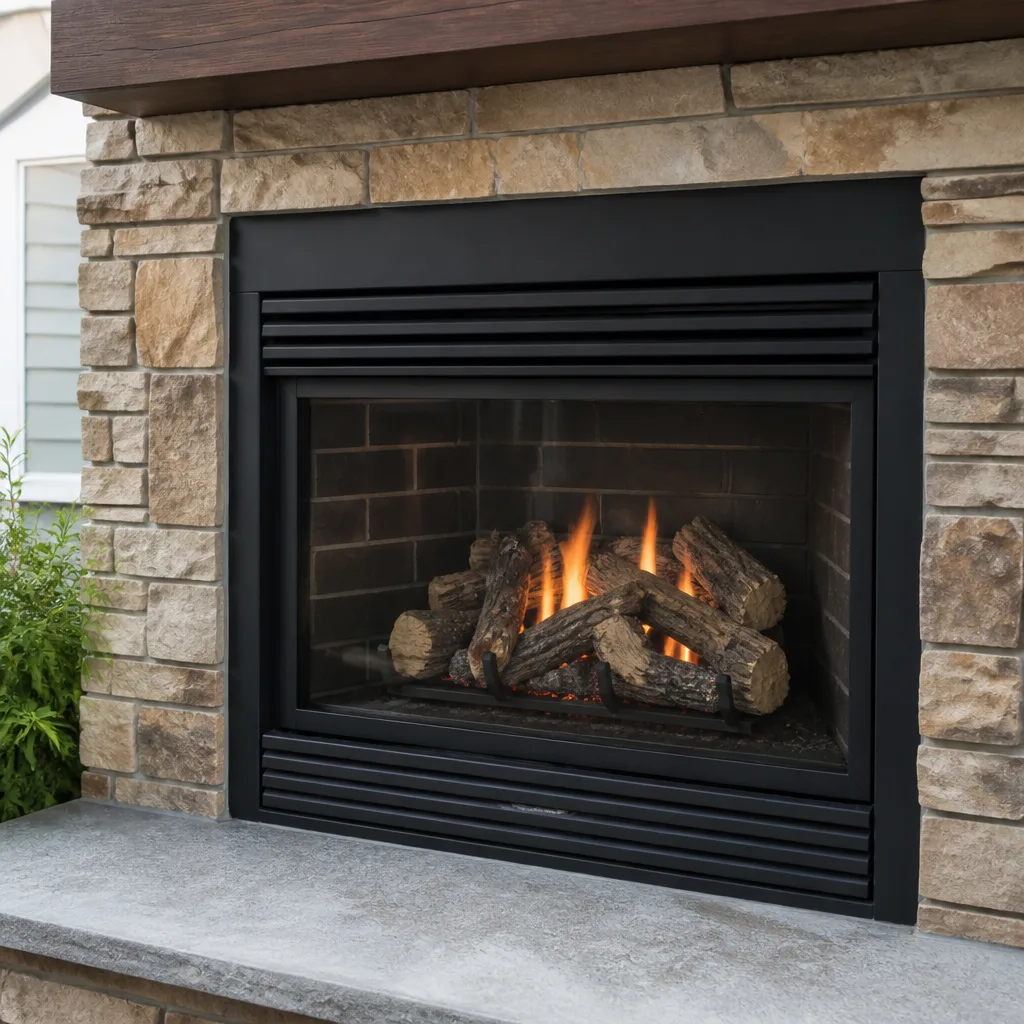 Gas fireplace service
Level 1 sweep and inspection to the NFPA 211 annual standard - flue, crown, cap, and flashing checked and photographed
Chimney sweep logs do not sweep chimneys. They loosen some creosote - which then falls where a brush and vacuum still have to collect it.
Seasonal Chimney Cleaning Care for Santa Clarita: Year-Round Homeowner’s Guide
National chimney organizations tell homeowners to schedule a sweep in late summer, before the first fire of the season. In Santa Clarita, that advice is directionally right but the reasoning is completely different from what most guides explain. Our fire season doesn’t wait for winter. It starts in the summer heat and peaks in September and October, when Santa Ana winds push embers across dry ridges and into neighborhoods from Valencia to Canyon Country. This guide explains the inverted seasonal calendar that actually applies to Santa Clarita chimneys, and what you should be doing each month of the year.
Styles & brands we work with
Quick Answer
In Santa Clarita, the optimal chimney sweep window is August through September, not October or November. The local risk profile is driven by wildfire ember exposure, Santa Ana wind-driven draft reversal, and pest nesting during long dry stretches, not by heavy winter burning. A standard sweep in Santa Clarita typically runs $189 to $289, as detailed in our Chimney Cleaning Cost Breakdown: The Santa Clarita Homeowner’s Reference for 2026, and every chimney should get a Level 1 inspection before the first fire of the season, even if it was barely used last winter.
Table of Contents
- The Santa Clarita Seasonal Calendar: Why National Advice Gets It Wrong Here
- Fire Season Chimney Risk: Embers, Caps, and What Actually Happens
- Santa Ana Winds and Your Chimney Draft: What to Check Before Wind Events
- Spring Chimney Tasks in Santa Clarita: Debris, Pests, and the Dry Winter Problem
- The Low-Use Myth: Six Fires All Winter Still Means You Need an Inspection
- Shoulder Season Maintenance: The March – April Checklist
- Month-by-Month Chimney Calendar for Santa Clarita Homeowners
- Common Mistakes to Avoid
- When to Call a Professional
- Frequently Asked Questions
- The Bottom Line
The Santa Clarita Seasonal Calendar: Why National Advice Gets It Wrong Here
Most chimney maintenance guides are written for cold-climate homes where the fireplace runs from October through March and sits dormant the rest of the year. Santa Clarita inverts that logic. We routinely see daytime temperatures above 90°F into October, and that prolonged dry heat does specific things to chimney systems that snow-belt guides never mention.
First, the mortar joints and crown (the concrete cap on top of the chimney) expand and contract through extreme temperature swings. Santa Clarita regularly sees 40-degree shifts between midday and overnight during the fall. That repeated expansion and contraction opens hairline cracks. Through a hot, dry summer, those cracks widen. When the first rain or the first fire comes, water and heat enter those gaps and accelerate the damage.
Second, the local fire season dictates the real cleaning deadline. The California fire season in our region now runs effectively year-round, but the highest-risk window for structure ignition from embers is August through November. A chimney with creosote buildup (the flammable residue that accumulates inside the flue from burning wood) becomes a liability during a wind-driven ember event. An ember carried by the wind can land on your roof, roll into an uncapped or damaged chimney, and ignite creosote deposits. That’s not hypothetical. It’s a documented ignition pattern in wildland-urban interface fires.
So the right time to clean in Santa Clarita is August to September. That puts your chimney in the cleanest possible state before the peak fire window, before the first cool evening when you want a fire, and before the fall rush when every chimney company in the valley is booked out two to four weeks.
For a full walkthrough of what a standard sweep includes, see our Chimney Sweep in Santa Clarita service page.
Fire Season Chimney Risk: Embers, Caps, and What Actually Happens
When Santa Clarita homeowners think about chimney fire risk, they usually think about creosote igniting inside the flue during normal fireplace use. That is a real risk, but it’s not the one that keeps us up at night in August and September. The bigger local concern is ember intrusion.
During a wildfire, wind-driven embers can travel a mile or more from the flame front. Those embers are small enough to pass through a missing or damaged spark arrestor on a chimney cap. Once inside the flue, they land on creosote deposits or accumulated debris like bird nests, dry leaves, or pine needles. If conditions are dry, which they almost always are in Santa Clarita in September, ignition can follow quickly.
The National Fire Protection Association and Cal Fire both identify ember intrusion as a primary cause of structure loss in wildland-urban interface fires. Your chimney cap and spark arrestor (the small mesh screen that sits over the flue opening to block embers and animals) are your first and only line of defense against this.
Here is what we check on every pre-fire-season service call in Santa Clarita:
- Cap presence and fit: Is the cap the right size for the flue? A loose or mismatched cap leaves gaps at the edges where embers can pass.
- Spark arrestor mesh integrity: Mesh with holes larger than 3/8 inch will not reliably block embers. Rusted-through mesh is worse than no mesh at all because it gives false confidence.
- Mortar joint and crown condition: Cracks in the crown or between bricks let embers and water into the chase (the framed enclosure around the flue in many Santa Clarita homes).
- Creosote load: Even a light creosote coating is fuel. In fire season, we want that at or near zero.
The solution is straightforward: a Chimney Inspection in Santa Clarita before fire season, followed by a sweep if any creosote or debris is present. The inspection identifies the risk. The sweep removes the fuel. A properly sized and installed cap closes the door on embers.
At Flint Chimney Co Santa Clarita, we install and work with caps and components from Famco and Copperfield. Both make cap assemblies built to California wind and ember specifications. The right cap on the right flue, installed tight and inspected before September, is the single highest-value fire-season upgrade you can make to a chimney.
Santa Ana Winds and Your Chimney Draft: What to Check Before Wind Events
Santa Ana winds are a defining feature of life in Santa Clarita. They form when high pressure builds over the Great Basin and pushes air down through the canyons toward the coast. By the time that wind reaches our valleys, it is hot, dry, and often gusting above 40 mph. The September 2024 wind event peaked at 51 mph in the Santa Clarita Valley. That is more than enough force to alter chimney draft dynamics.
Here is what actually happens. A chimney operates on a simple principle: hot air rises, and the flue channels that rising air out of the house. Under normal conditions, the draft pulls upward, even when the fireplace is not in use. But a strong horizontal wind across the top of the chimney can create a low-pressure zone over the flue opening. When that happens, air pushes down the chimney instead of up. We call this a reversed draft.
In a well-maintained chimney, a reversed draft is mostly an annoyance: a little smoke seeping into the room when the wind gusts, a cold draft coming down the flue, a faint ash smell in the living room on windy nights. But if the chimney has any structural compromise, a Santa Ana event turns that annoyance into a health and fire risk.
Before the first major Santa Ana event of the season, which in Santa Clarita typically arrives in September or October, we recommend homeowners do this 3-step check:
- Visually inspect the cap from the ground. Use binoculars if you have them. Is the cap still centered? Is the mesh torn? Is anything dangling from the flue? A displaced cap in a 50 mph gust becomes a projectile.
- Check the damper. Close it and look for visible gaps around the edges. A damper that seals poorly allows smoke and fine ash to drift back into the house when wind reverses the draft.
- Smell the fireplace on a windy afternoon. A strong smoke or ash odor when you have not burned anything in weeks is a sign that wind is pushing air down a flue that has debris or creosote deposits, or that the damper is not seating.
If the check turns up a damaged cap, a rusted-out mesh, or a damper that will not close fully, that is a Chimney Repair in Santa Clarita call. Wind events do not fix themselves, and the next one is always coming.
Spring Chimney Tasks in Santa Clarita: Debris, Pests, and the Dry Winter Problem
Spring in Santa Clarita is short and deceptive. The hills turn green for a few weeks in March, then the heat returns and everything dries out again by May. For a chimney, that brief spring window creates two specific problems most national guides never address: dry-winter debris accumulation and pest nesting in unused flues.
A Santa Clarita winter is mild. Many households burn fewer than ten fires a season, and some none at all. That light use means less creosote, which sounds like good news. It is, but it also means less heat running up the flue to discourage animals, and less air movement to clear leaves, twigs, and dust. By March, a chimney that sat unused since November can be half-full of dry debris that fell through a damaged cap or blew in during a Santa Ana event.
Then there are the pests. In our service area, we regularly find evidence of birds, squirrels, and roof rats in chimneys that went unused during the winter. A flue that is warm, dark, and quiet is an attractive nesting site. A bird’s nest built into a flue is not just a nuisance. It is fuel for a chimney fire, and it blocks the passage that carries combustion gases out of the house. A blocked flue can push carbon monoxide back into the living space, and that is a risk no homeowner should tolerate.
The spring checklist for Santa Clarita:
- Check the cap and spark arrestor mesh for winter damage, especially after high-wind events.
- Look for animal activity: droppings in the firebox, nest material visible from the top, scratching sounds in the walls near the chimney.
- Run the damper open and closed and listen for grit or scraping, which may indicate debris trapped above the damper.
- Schedule a Level 1 inspection if the chimney was used at all during winter, and especially if it was not used but was left uncapped or with a damaged cap.
Most Santa Clarita homeowners can handle the visual checks. The inspection belongs to a trained technician. Our spring inspection calls in Santa Clarita routinely turn up nests, rusted dampers, and hairline crown cracks that started as March wind damage. Catching those in April is always cheaper than repairing them in September.
The Low-Use Myth: Six Fires All Winter Still Means You Need an Inspection
The single most common thing we hear from Santa Clarita homeowners in September is some version of this: “We only burned maybe six fires last winter, so we’re probably fine.”
We understand the logic. Fewer fires means less creosote, and less creosote means less risk. But the logic misses two things that matter more in Santa Clarita than almost anywhere else.
First, the flammable material in your flue is not only creosote. It is also the debris that accumulates during the long dry season: leaves, pine needles, dust, insect nests, spider webs, and the fine grit that blows across the valley on a typical windy afternoon. One leaf, fully dried after a Santa Clarita summer, will ignite from a single spark. A flue that collected a season’s worth of dry debris through a compromised cap is a fire waiting for a match. The match is your first fire of the season.
Second, structural damage does not care how many fires you burned. A small crack in a flue tile, opened by winter temperature swings, does not improve over the summer. It gets wider as the mortar dries and the chimney settles. By September, that crack is a carbon monoxide pathway waiting for the first fireplace use. A Level 1 inspection identifies the crack. A homeowner cannot see it, because it is inside the flue, behind the chimney wall.
The National Fire Protection Association standard (NFPA 211) is unambiguous: chimneys, fireplaces, and vents should be inspected at least once a year. The standard does not say “only if you burned a lot.” It says once a year, every year. In Santa Clarita, the right time for that inspection is late summer, not because you burned too much, but because the months between May and September are when the flue collects fuel and the structure endures the most stress.
We see this play out every September: a homeowner in Valencia or Stevenson Ranch says they barely used the fireplace, so they skipped the inspection. Then the first fire of the season smokes badly, or worse, the smoke detector goes off. A flue that was blocked by a squirrel nest built in July. A damper that rusted open over the summer. A crack that finally let go. Every one of those was visible on an August inspection and fixable before fire season.
Shoulder Season Maintenance: The March – April Checklist
Shoulder season in Santa Clarita is the stretch between the last cold night and the first 95-degree day. It lasts roughly from mid-March through late April. It is the best time for the maintenance tasks that do not require a full sweep but should not wait until autumn.
The distinction we draw for customers is between a documented checklist task and a full service visit. A checklist task is something you can do in fifteen minutes with a flashlight and a phone camera. A full service visit is a technician coming out with the brushes, vacuum, and inspection camera. Both have a place in the spring.
Here is the shoulder season checklist we give every Santa Clarita homeowner:
- Run the damper. Open and close it fully three times. If it sticks, grinds, or will not seal, it needs attention before next burn season.
- Shine a flashlight up the flue. Angle it from the firebox and look for visible debris, nesting material, or light coming through gaps it should not.
- Photograph the cap from the roof or the ground. If you can see the cap is off-center, rusted through, or missing, do not wait until September. Wind events will make it worse.
- Check for water staining. Look at the ceiling around the chimney chase and the walls adjacent to the fireplace. Staining in the spring means leaks happened during winter rain. A leak left through the summer becomes mold and masonry damage by fall.
- Smell the firebox. A strong ash smell on a warm day when the house has been closed up for the air conditioning is normal. An acrid or musty smell is not. It can indicate a blocked or damaged flue.
If any checklist item turns up an issue, schedule the service call now. Spring call volume in Santa Clarita is a fraction of what it is in September, which means faster scheduling and more time for the technician to explain exactly what was found and what the fix costs. And because every job at Flint Chimney Co Santa Clarita gets a written price before work starts, spring customers get their repair or cleaning scheduled with the final number already on paper.
Month-by-Month Chimney Calendar for Santa Clarita Homeowners
Here is the full year, month by month, built for Santa Clarita’s actual climate and fire season rather than the national template.
January – February
The coldest stretch of the local winter. If the fireplace is in use, sweep the firebox and remove ash no more than one inch deep. Excess ash in the firebox reduces airflow and can push smoke back into the room. Watch for smoke that rolls out of the fireplace when the wind picks up. Winter Santa Ana events are common, and reversed draft with a dirty flue is a common February complaint.
March – April
Shoulder season. Run the checklist above. The key local concerns are post-wind cap damage and early pest activity. Birds and squirrels begin nesting in March, and an unused flue with a damaged cap is an open invitation. If the winter was dry, as most Santa Clarita winters are, expect dust and grit accumulation in the flue.
May – June
The driest stretch of the year. Low-use season means the fireplace is dark and quiet, which is exactly when rodents and birds establish nests. Inspect the cap and flue from the outside. If the chimney has not been swept in over a year, this is a good time to book the service. Spring and early summer scheduling is wide open compared to September.
July
Final pre-fire-season preparations. If you have not scheduled your sweep and Level 1 inspection, this is the month to do it. Do not wait until August. Fire conditions in the Santa Clarita Valley can show up suddenly, and the prime sweep slots go fast once the first heat wave hits.
August – September
The optimal sweep window in Santa Clarita. The chimney is cleanest and safest before peak fire season. The cap is in best condition for ember defense. Pest debris is removed before it has a chance to dry into tinder. Schedule the sweep and inspection early in August.
October
Peak fire season. The chimney should already be clean. If it is not, book the earliest available appointment and keep the damper closed, the cap on, and the area around the chimney clear of dry vegetation. A dirty chimney in October is a liability that no homeowner should carry through wind events.
November – December
First regular burning season. Burn only seasoned hardwood. Wet or green wood creates creosote faster than anything else. After the first few fires, note how the fireplace drafts. A chimney that draws poorly in calm weather has a problem that will only get worse when the winter winds pick up.
This calendar is built for Santa Clarita’s actual conditions and fire season, not the national template-find more guides & resources on our blog.
Common Mistakes to Avoid
- Following the national schedule instead of the Santa Clarita schedule. October sweeps are the national norm. In Santa Clarita, October is peak fire season. The sweep needs to happen in August or September, before the wind and ember risk peaks.
- Assuming low fire use means no inspection needed. The dangerous material in a Santa Clarita flue is often dry debris and pest nests, not creosote from heavy burning. A chimney used three times still needs an annual inspection.
- Ignoring the spark arrestor mesh. A cap with rusted-through mesh is worse than no cap because it gives a false sense of protection. Embers pass through enlarged holes. The mesh is the defense. Check it every spring and fall.
- Waiting until September to call for a sweep. September is the busiest month for chimney service companies in Santa Clarita. Booking in July or early August gets better scheduling and the same written price, with no rush.
- Burning unseasoned wood because it is what the grocery store sells. The small bundles from the supermarket are often wet. Wet wood produces excess smoke and accelerates creosote buildup. Use seasoned firewood with a moisture meter reading under 20 percent.
- Skipping the chimney inspection after a Santa Ana wind event that dropped branches or roof material. Wind can shift the cap, crack the crown, or knock debris into the flue. After any wind event over 40 mph, do the ground-level check described above.
When to Call a Professional
Call a chimney professional when any of these shows up: smoke that enters the room instead of going up the flue, a strong smoky odor when the fireplace is not in use, signs of an animal in the chimney (droppings, nesting material, scratching sounds), visible cracks in the chimney structure, a cap that is missing, rusted, or off-center from the ground, or water staining inside the house near the chimney. Any one of these indicates a condition that will not resolve on its own and may be creating a fire or carbon monoxide risk. Flint Chimney Co Santa Clarita offers free estimates in Santa Clarita, and every job comes with a written price before work starts. Call (661) 430-6125 to schedule an inspection or sweep.
Frequently Asked Questions
A standard chimney sweep in Santa Clarita typically runs $189 to $289, depending on the flue size, creosote level, and whether the chimney has been cleaned recently. Heavily neglected chimneys with glazed creosote or pest debris run higher. Flint Chimney Co Santa Clarita provides a written price before any work begins, so the number you approve is the number you pay. Call (661) 430-6125 for an exact quote.
Once a year, at minimum. The cleanest schedule for Santa Clarita is an August or September sweep, before fire season peaks. Homes that burn more than a cord of wood per year or burn unseasoned wood may need a mid-winter sweep as well. The real question is not how many fires you had, but what accumulated in the flue during the dry months.
Creosote and dry debris build up in the flue until they become fuel. A spark or ember can ignite that material, causing a chimney fire that sends flames up the flue at over 2,000°F and often spreads to the roof structure. In Santa Clarita, ember intrusion during wind events is an additional ignition pathway that a dirty, uncapped chimney amplifies. The risk is not theoretical. It is the reason annual sweeps exist.
Maybe. A cracked or deteriorated flue liner can leak combustion gases into the home and heat into the surrounding structure. It is a serious safety issue. But not every liner recommendation is legitimate. At Flint Chimney Co Santa Clarita, we do not recommend a liner replacement without camera evidence of the damage, and we show you the footage. If the existing liner is intact and passing a Level 2 inspection, the right answer is a sweep, not a replacement. Using professional-grade liner systems like DuraFlex or HeatShield, we install only when the camera evidence justifies it. Get a written inspection report before agreeing to any liner work.
Because the unused months are exactly when the chimney collects trouble. Animals move in. Dry debris blows in through damaged caps. Mortar dries and cracks widen. By the time you want a fire in November, the flue may be compromised in ways you cannot see. Spring and summer are the low-use seasons, but they are not the low-risk seasons. The annual inspection is about what accumulated while the fireplace sat idle.
You can perform basic maintenance like removing ash from the firebox and checking the cap from the ground. But a proper sweep requires a specialized chimney brush matched to the flue size, a vacuum system that captures fine creosote dust rather than pushing it into the house, and a trained eye that can spot structural problems during the same visit. Creosote dust is a lung irritant, and a flue is a confined space with real risks. This is one job where the professional-grade approach earns its price. A sweep from Flint Chimney Co Santa Clarita home includes a written report of what was found and what the flue condition means for next season.
The Bottom Line
In Santa Clarita, the chimney calendar runs hot and dry, not cold and snowy. The right time to clean is August through September, when the flue should be stripped of every flammable thing before the ember winds arrive. The right rhythm is an annual Level 1 inspection, a spring checklist for cap and damper condition, and a shoulder season visit when anything looks wrong. A chimney that went mostly unused all winter still collects debris, still cracks in the dry heat, and still needs attention. Book the sweep before October, verify every recommendation with camera evidence, and get the price in writing before the work starts. That is the year-round discipline. That is the Santa Clarita way to do it.
Written by Hank Delano, Owner at Flint Chimney Co Santa Clarita, serving Santa Clarita since 2002.
See the difference
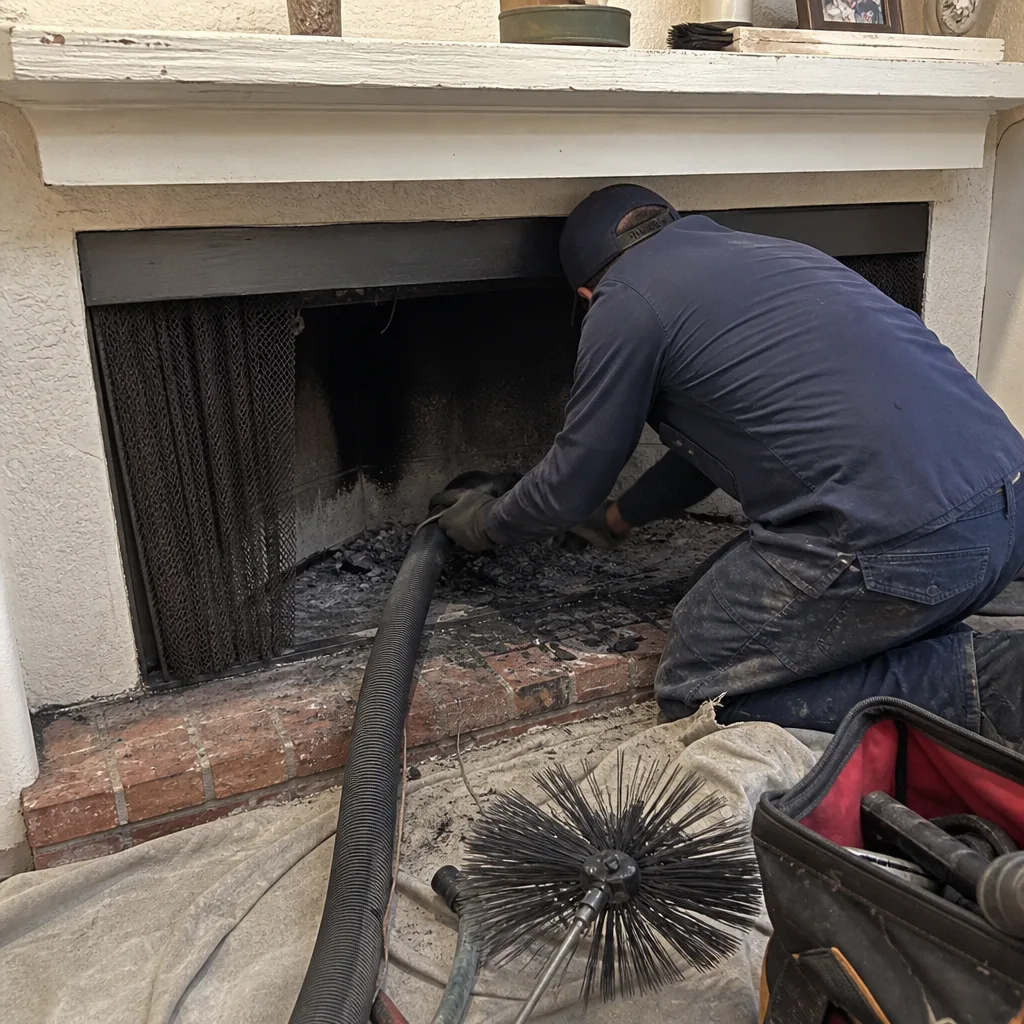 Before
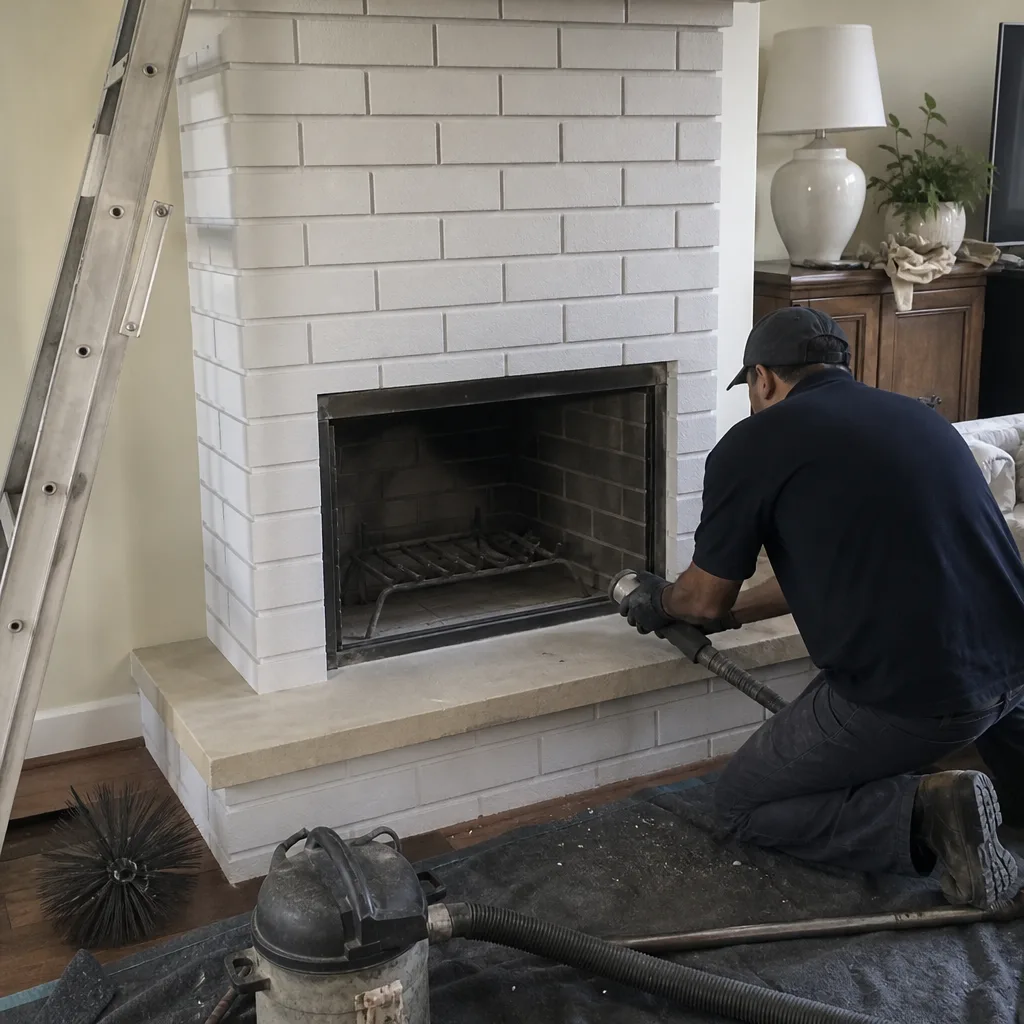 After
After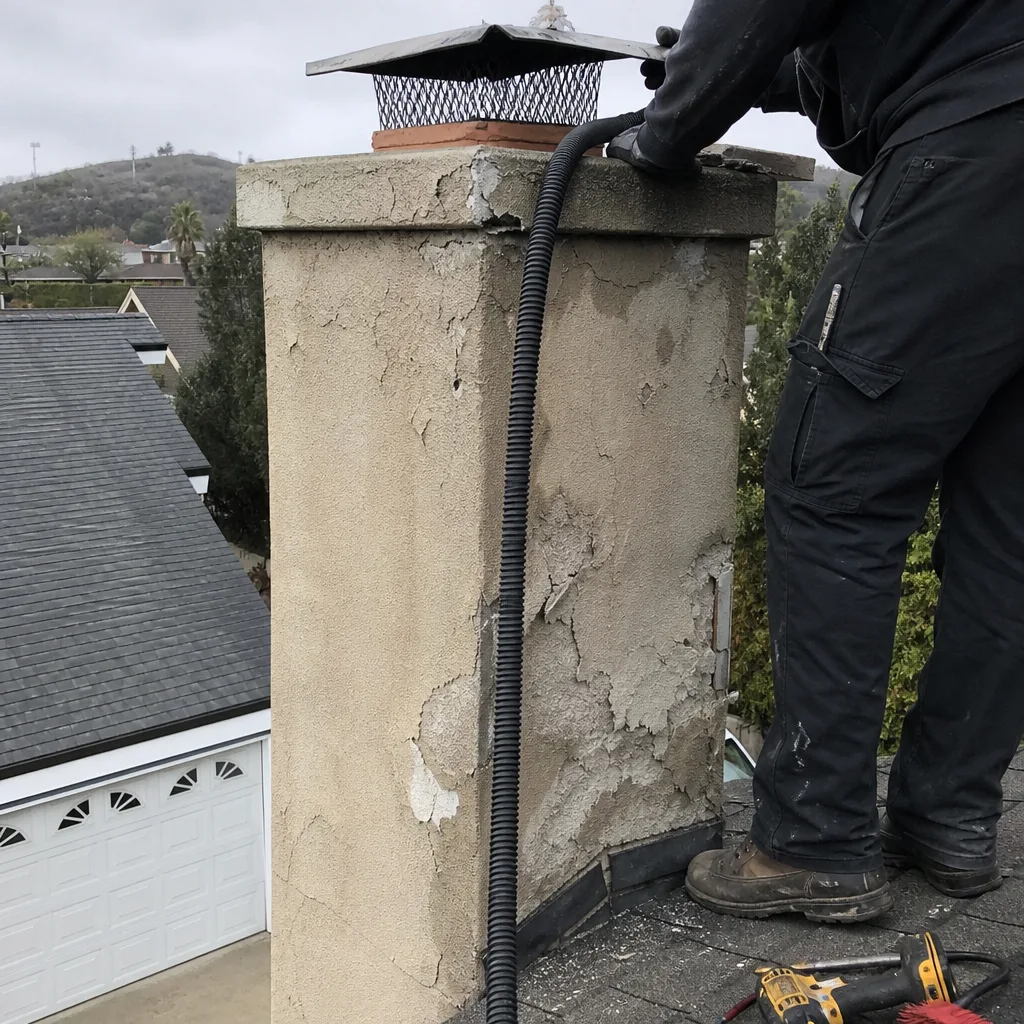 Before
 After
After Before
 After
After